
 By Alex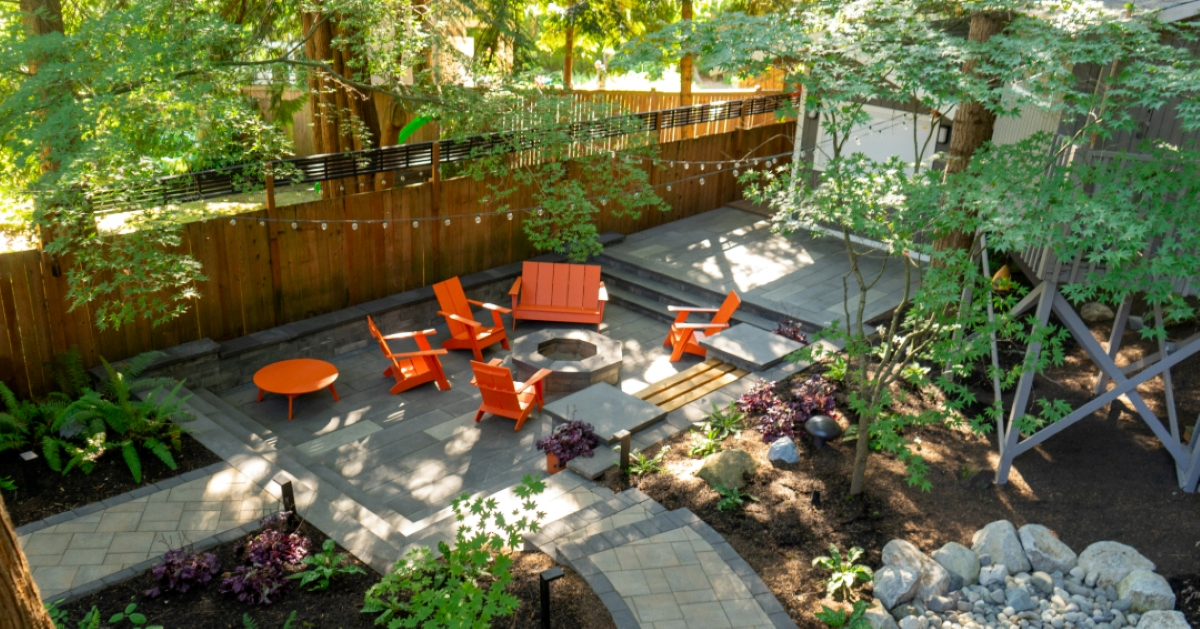
Landscaping doesn’t have to be left to professionals. With some planning, creativity, and basic tools, homeowners can take charge of their outdoor spaces and transform them into beautiful, functional environments. DIY landscaping allows you to personalize your yard, save money, and gain a sense of accomplishment while creating a space that reflects your style and needs.
Before starting any project, careful planning is essential. A well-thought-out plan ensures your efforts are effective, sustainable, and aesthetically pleasing.
- Assess Your Space: Take note of the size, shape, and conditions of your yard. Identify areas that need improvement or can be repurposed, such as unused corners, overgrown patches, or bare soil.
- Set a Budget: Determine how much you are willing to spend on materials, tools, and plants. DIY landscaping can range from small flower beds to large patios, so budgeting is important.
- Choose a Style: Decide on a design that complements your home and lifestyle. Popular themes include modern minimalist, cottage garden, tropical, and eco-friendly gardens.
- Create a Timeline: Establish a realistic timeline for completing each stage of your project, accounting for planting seasons, weather, and ongoing maintenance.
Even small projects can dramatically improve the look and function of your yard. Some simple yet effective ideas include:
- Raised Garden Beds: Ideal for vegetables, herbs, or flowers, raised beds improve soil quality, prevent erosion, and make planting and harvesting easier. Materials like wood, stone, or recycled pallets work well for DIY beds.
- Stone or Gravel Pathways: Paths add structure and accessibility to your yard. Curved designs create visual interest, while straight paths provide a clean, modern look.
- Mulching and Soil Improvements: Adding mulch around plants helps retain moisture, suppress weeds, and enhance soil health. Composting your kitchen and yard waste produces rich, natural fertilizer.
- Outdoor Seating Areas: Build benches, patios, or small decks using pallets, stone, or concrete blocks to create functional spaces for relaxation and entertainment.
- Water Features: Small fountains, birdbaths, or ponds add tranquility and attract wildlife. Pre-made kits simplify installation for DIY enthusiasts.
- Vertical Gardens: Using trellises, wall planters, or hanging pots, you can grow plants vertically, making the most of limited space and adding greenery to walls or fences.
- Start Small: Begin with manageable projects and gradually expand as you gain experience.
- Use Native Plants: They require less maintenance, support local wildlife, and thrive in your local climate.
- Focus on Maintenance: Even low-maintenance landscapes require periodic watering, pruning, and pest management.
- Incorporate Hardscape Features: Paving, retaining walls, and seating areas reduce maintenance and add structure.
- Plan for Growth: Consider mature plant sizes to avoid overcrowding and future pruning challenges.
DIY landscaping offers multiple advantages:
- Cost Savings: Doing it yourself reduces labor costs while still achieving professional-looking results.
- Personalization: You can design a landscape tailored to your taste, lifestyle, and property layout.
- Learning Experience: DIY projects teach valuable gardening and construction skills.
- Satisfaction and Pride: Creating your own outdoor space provides a rewarding sense of accomplishment.
DIY landscaping empowers homeowners to take control of their outdoor spaces, transforming yards into beautiful, functional, and personalized environments. By planning carefully, choosing suitable plants, and incorporating creative hardscape features, even small projects can make a significant impact.
From raised garden beds and pathways to vertical gardens and seating areas, the possibilities for DIY landscaping are virtually limitless. With patience, creativity, and consistent care, you can design an outdoor space that not only looks stunning but also supports plant health, functionality, and sustainability.
 Rolando Corley