
 By Alex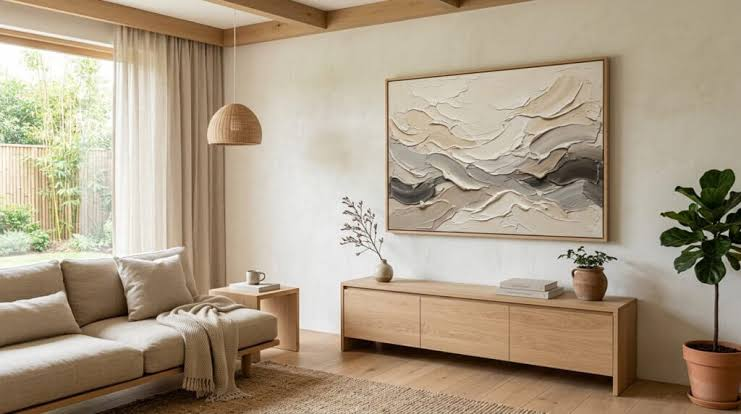
Minimal interior design has become one of the most influential global design movements. It is defined by simplicity, clean lines, neutral color palettes, and open, uncluttered spaces. The goal is to create calm environments that feel balanced and visually quiet. However, when minimalism is taken too far, interiors can sometimes feel empty, flat, or emotionally disconnected.
This is where Plaster Wall Art is becoming a powerful design solution. As a refined form of Textured Art, plaster-based wall pieces introduce depth, dimension, and subtle character while still respecting the principles of minimal design. It enhances interiors without disturbing their simplicity, making it one of the most important trends in modern aesthetic living.
Modern minimal interiors rely heavily on simplicity. Furniture is reduced to essential forms, color palettes are kept neutral, and decoration is intentionally limited. While this creates clarity and order, it can also remove visual interest if not carefully balanced.
Textured Art solves this challenge by introducing controlled complexity into the space. Instead of using bold colors or heavy patterns, it adds subtle surface variation that interacts with light and shadow. This creates a richer visual experience without breaking the minimalist foundation.
Plaster Wall Art is especially effective because it enhances walls in a quiet and sophisticated way. It does not demand attention but gradually reveals detail as the viewer interacts with the space.
Plaster Wall Art aligns perfectly with minimal interior principles because it maintains simplicity while adding artistic depth. Its strength lies in its restraint and material honesty.
It uses soft neutral tones that blend with modern interiors
It avoids heavy patterns or visual noise
It focuses on pure form, shape, and surface texture
It enhances the environment without creating clutter
This combination makes it ideal for spaces that prioritize calmness, balance, and refined aesthetics. Unlike traditional paintings or prints, plaster art becomes part of the architecture itself.
One of the most defining features of Plaster Wall Art is its sculptural nature. Unlike flat printed artwork, plaster-based pieces have physical depth and dimensional structure. This allows them to interact with natural and artificial lighting in unique ways.
As light moves across the surface, shadows shift and highlight different textures. This creates a dynamic visual effect that changes throughout the day, making the artwork feel alive and evolving.
This is why Textured Art in plaster form feels:
More organic in presence
More architectural in design
More immersive in visual experience
It bridges the gap between art and interior structure, turning walls into sculptural design elements rather than static surfaces.
Plaster Wall Art is highly versatile and works well in a variety of modern interior environments. Its subtle elegance allows it to integrate into both residential and commercial spaces without overpowering the design.
Living room feature walls, where it becomes a subtle focal point
Bedroom headboard walls, adding calmness and visual softness
Modern office interiors, enhancing focus and professional atmosphere
Boutique commercial spaces, improving brand identity and spatial luxury
In each of these environments, plaster art introduces depth while maintaining a clean and minimal aesthetic language.
To fully highlight the beauty of Plaster Wall Art, it must be styled with intention. Because the artwork itself is subtle, the surrounding environment should support its presence rather than compete with it.
Keeping furniture minimal and well-proportioned
Using soft directional lighting to highlight texture and depth
Maintaining neutral or earth-toned color palettes
Avoiding visual clutter or overly decorative elements
When these principles are applied correctly, the texture becomes the main visual focus. Light and shadow work together to create a constantly evolving visual experience.
As interior design continues to evolve, there is a growing demand for spaces that feel both simple and emotionally engaging. Pure minimalism is no longer enough on its own. People now seek environments that are calm yet expressive, clean yet warm, and simple yet meaningful.
Plaster Wall Art represents this next stage of design evolution. It introduces artistic depth without sacrificing simplicity. It supports the philosophy of minimalism while expanding its emotional and sensory range.
This is why Textured Art, especially in plaster form, is becoming a defining element in modern interiors.
Plaster Wall Art is redefining how we approach minimal interior design. As a refined and architectural form of Textured Art, it brings depth, softness, and sculptural beauty into modern spaces without disrupting their simplicity.
By combining material texture with minimal aesthetics, it transforms plain walls into meaningful visual experiences. In doing so, it represents the future of interior design—where simplicity is no longer empty, but rich with subtle artistic expression.
 Rolando Corley